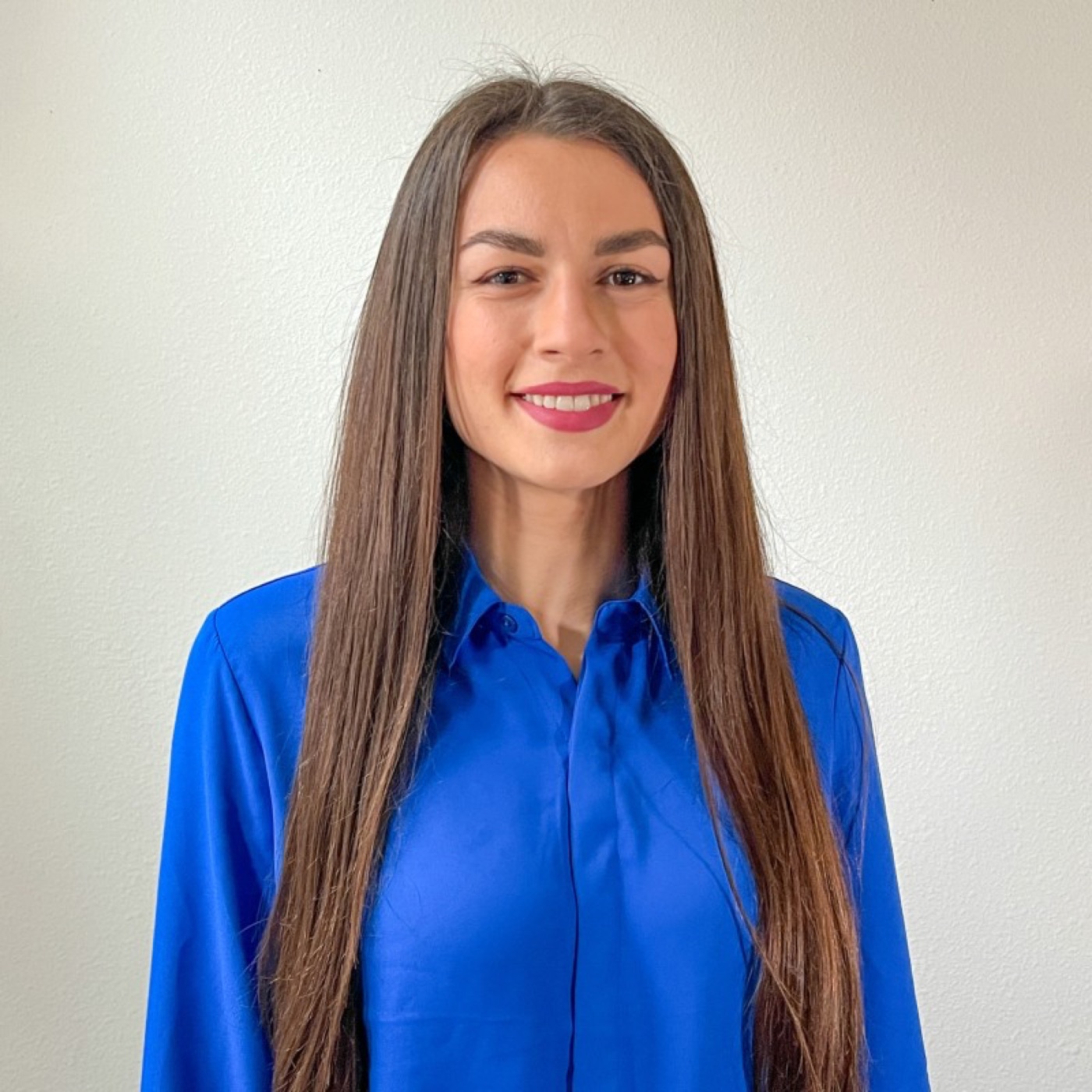
Two million dollars. That's the amount of money I've saved utilizing my technical skillset over the past 7 years. So how did I do it?
Well, my parents were entrepreneurs. I already had the entrepreneurial bones, and it wasn’t until I was a teenager that I began connecting with software engineers, which ignited a passion inside of me.
I decided to study engineering in college. After college I pursued my career as a software engineer at a big name company. I did that for about a year before deciding to learn iOS Development – which ultimately led me down the path of creating my own app and starting a company.
My superpower
That’s when I realized the superpower I had unleashed: being a technical founder.
Back to the drawing board
So I quit my job. What was I gonna do with my time? Back to the drawing board I went. For months, I daydreamed about developing a location-based social media app called Erupt. I couldn't wait to learn how to code this iOS app; I had never done app development before.
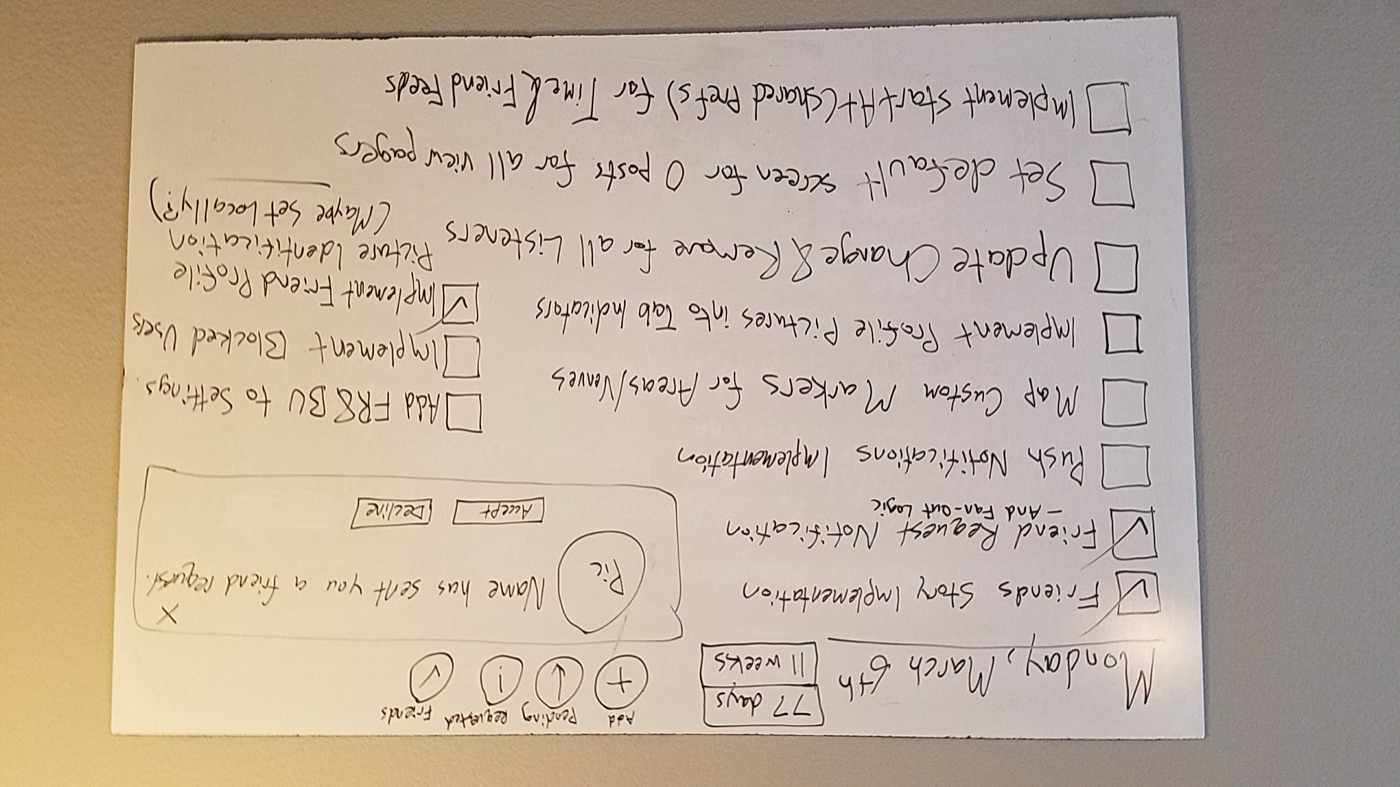
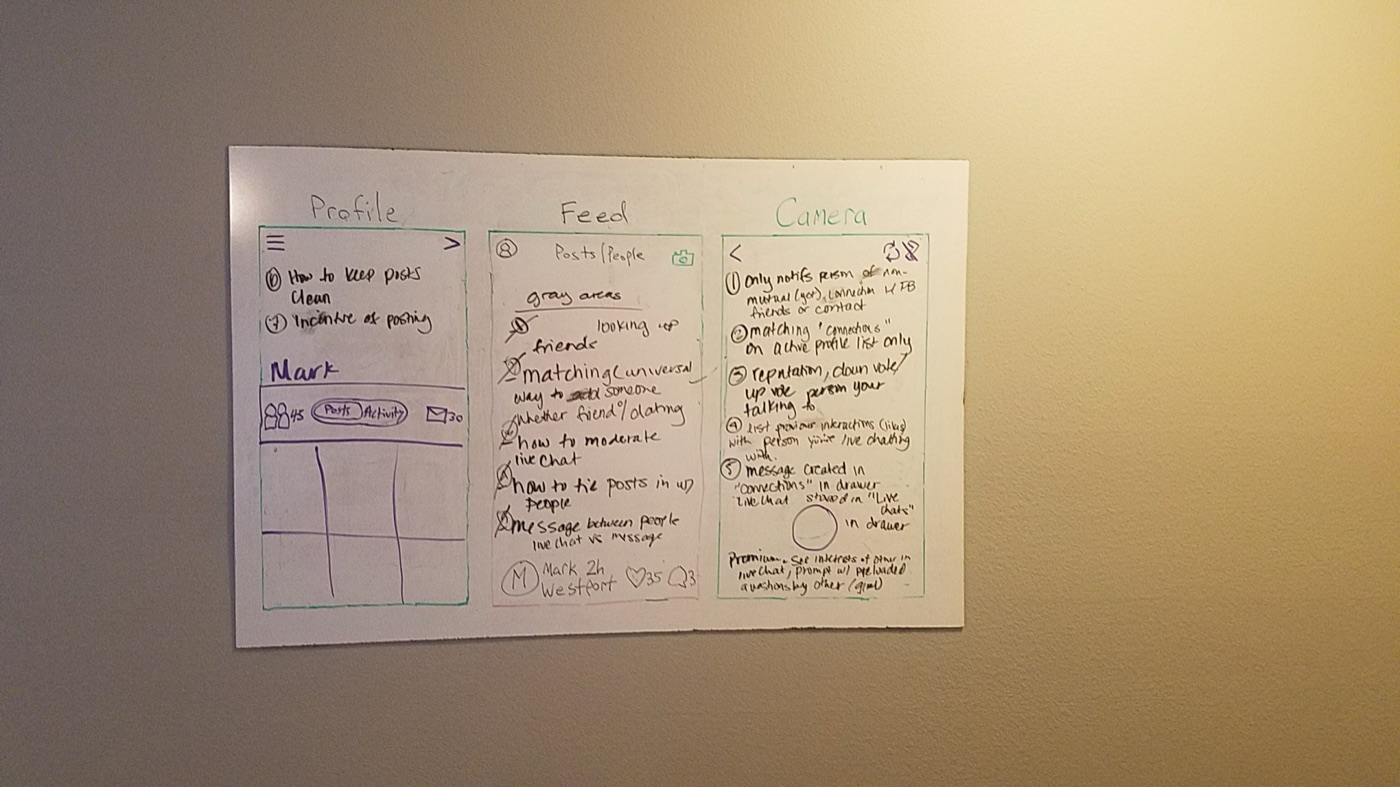
Since I had my software engineering experience, I was able to teach myself iOS development and start coding Erupt from scratch. It took our team three months to code the iOS app and launch on the App Store.

Starting with no funding, I quickly realized how hard it was going to be to market a social media app, and even worse, try to keep up with large tech giants like Snapchat and Instagram. Towards the end of my journey building Erupt, I started learning how to create animations.
Design
I wanted to push our user experience and marketing to the max by mastering my design skillset. So I'm spending my days fiddling with animation designs and I realized I wanted to create an app that revolves around fullscreen animations.
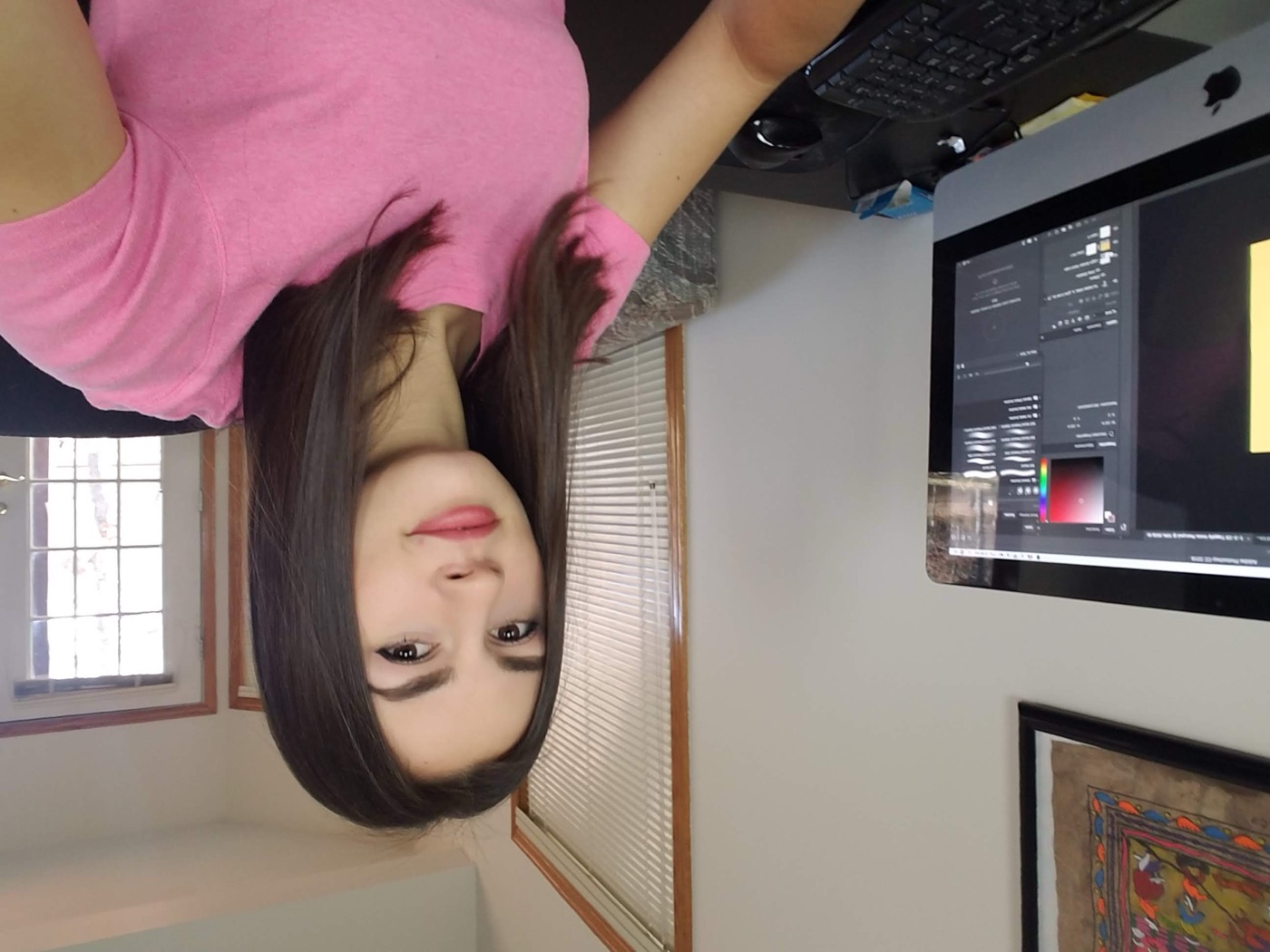
I rolled that into an idea which had purpose, using my colorful animations to create game-like mental health activities.
At the time, I was dealing with anxiety and Tappily was not only my creative brainchild but my outlet for stress. So in 2017, I couldn't wait to dig into Apple's frameworks to figure out how to get my animations from the drawing board to an iOS app.

I came up with Tappily by allowing myself to start building a skill. What’s powerful about being a technical founder is you can have an idea and start building, or you can start building and have an idea.
Zero funding
I had an idea, and I started building it, using my superpower as a technical founder to push through the obstacles of my apps. I was able to start my ideas with zero funding and successfully execute my vision.
Adapt with change
Suppose you have a great app, and your users are loving it... And then all of the sudden, something happens, let's say a pandemic or what sometimes feels like an act of god, and the market is no longer stable. What do you do?
Let me tell you something... you adapt and go with the change. As a technical founder, I had to shift my mindset, ideas, approach many times on my journey with Tappily.
It started during beta testing. I had enough features fleshed out to release the app on TestFlight. I got over 200 people to beta test Tappily. During this time, I received feedback that helped me validate the app as I was developing it.
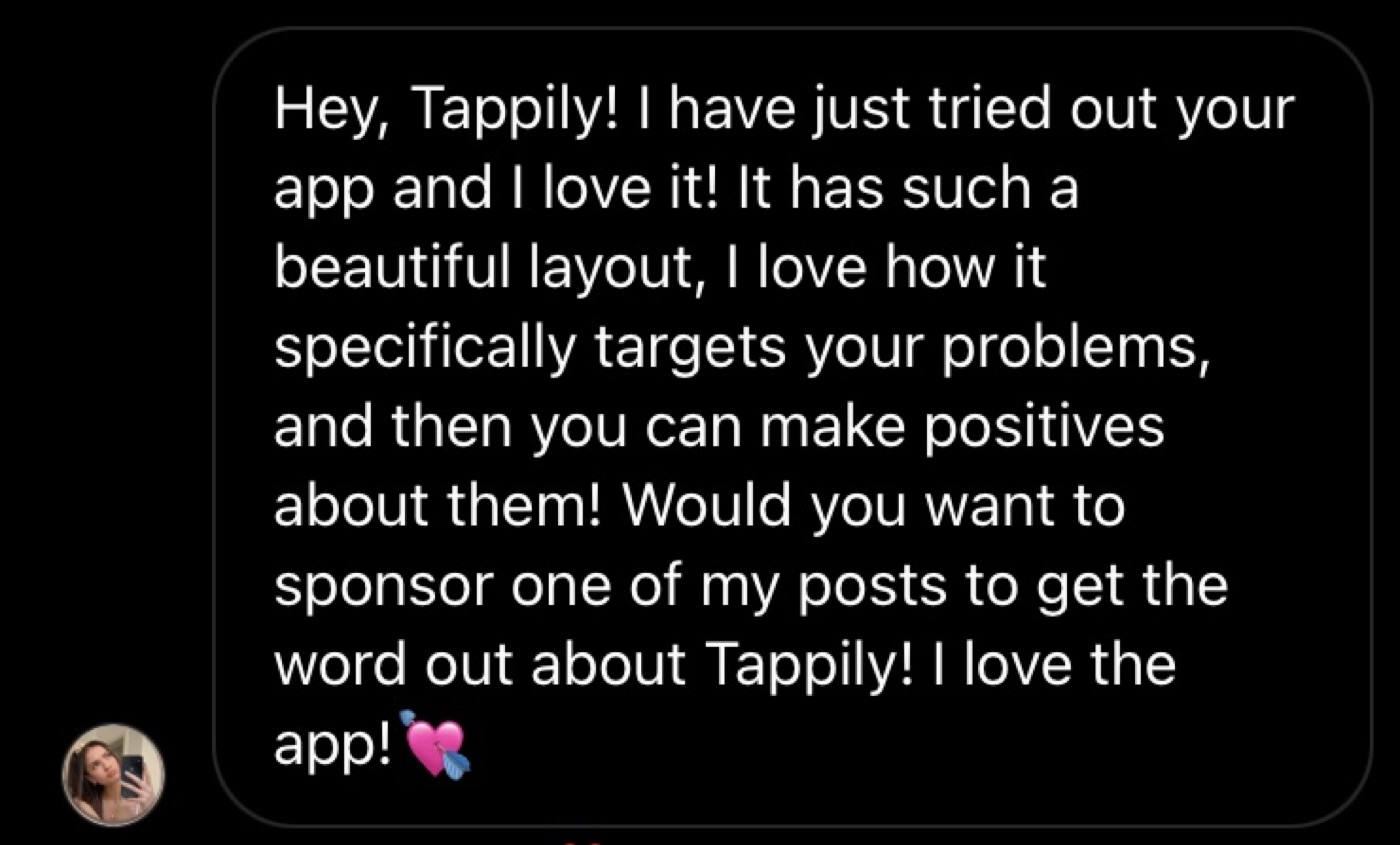
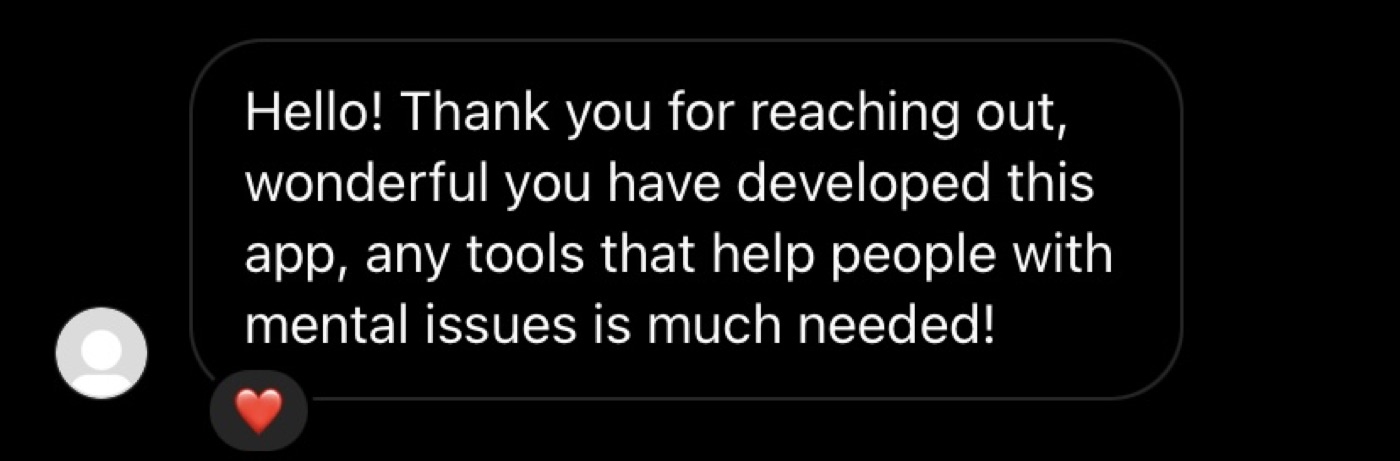
My favorite part of this experience was to translate my vision at every level of my business, seamlessly integrating customer feedback into design and development, which quickly turned into App Store updates. I was free of the communication bottleneck of a large team.
Apple Entrepreneur Camp
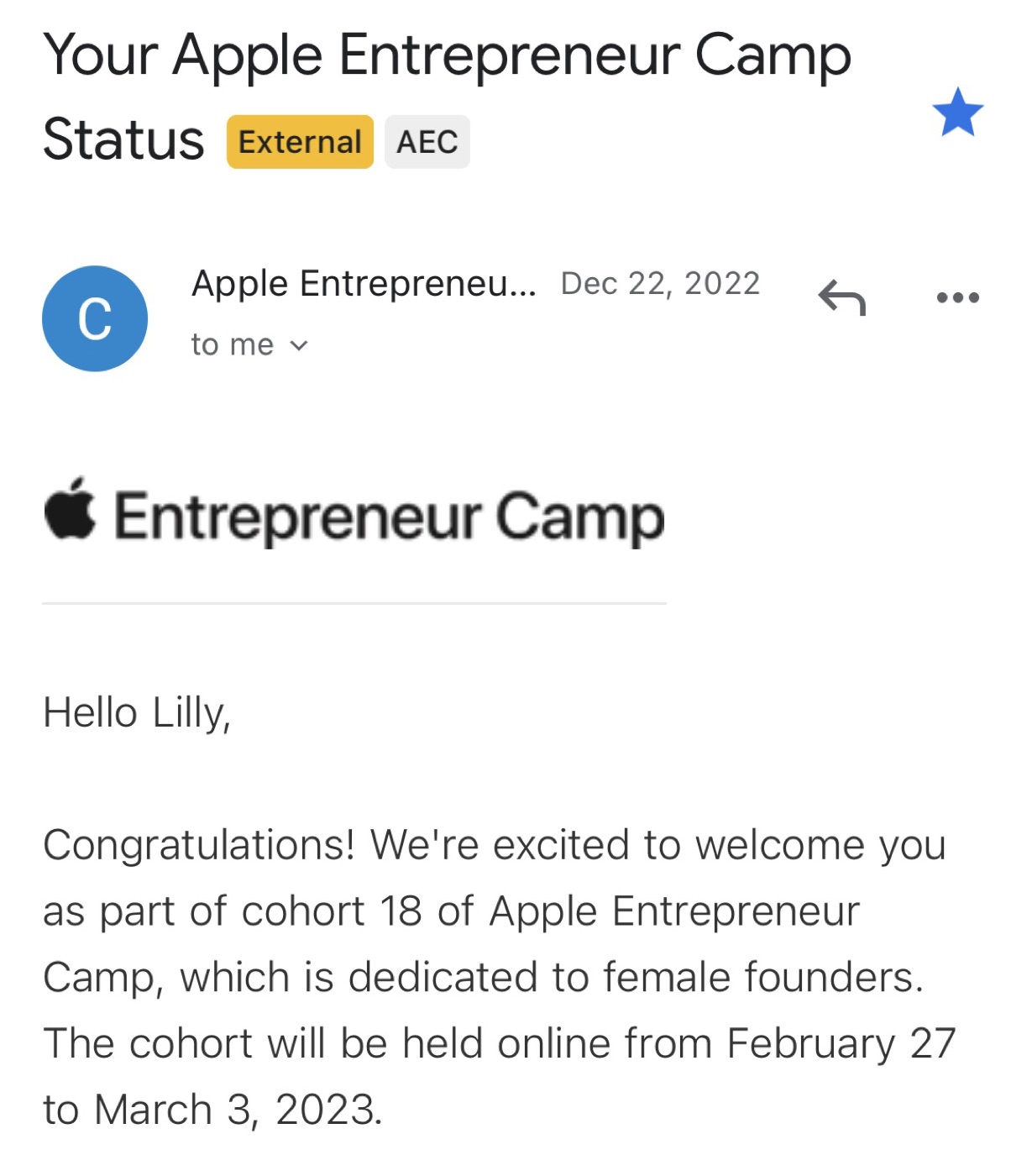
Another opportunity which challenged Tappily's value proposition was Apple Entrepreneur Camp. During the camp, I got to meet with Apple's design and technology evangelists. They gave me detailed and actionable feedback that I was able to digest and implement in the same week.
Pivot ideas immediately
Pivoting doesn't have to make a big splash in your business; it's more like skipping a rock across a pond. Making ripples of progress as each attempt is more calculated than the last.
Sourcing my technical skillset
Like I mentioned earlier, the pandemic made me shift my mindset entirely. I adapted using my technical skills to create a backup income, ensuring my business survived an unstable tech market. I did what a lot of technical founders do; I started looking for software contracts with other startups so I could pay myself to work on Tappily.
In a few months, I landed my very first contract to build an iOS app for another female founder. I was so excited to establish this income source.The coolest part of this venture was that I was getting paid to fine tune my app development expertise.
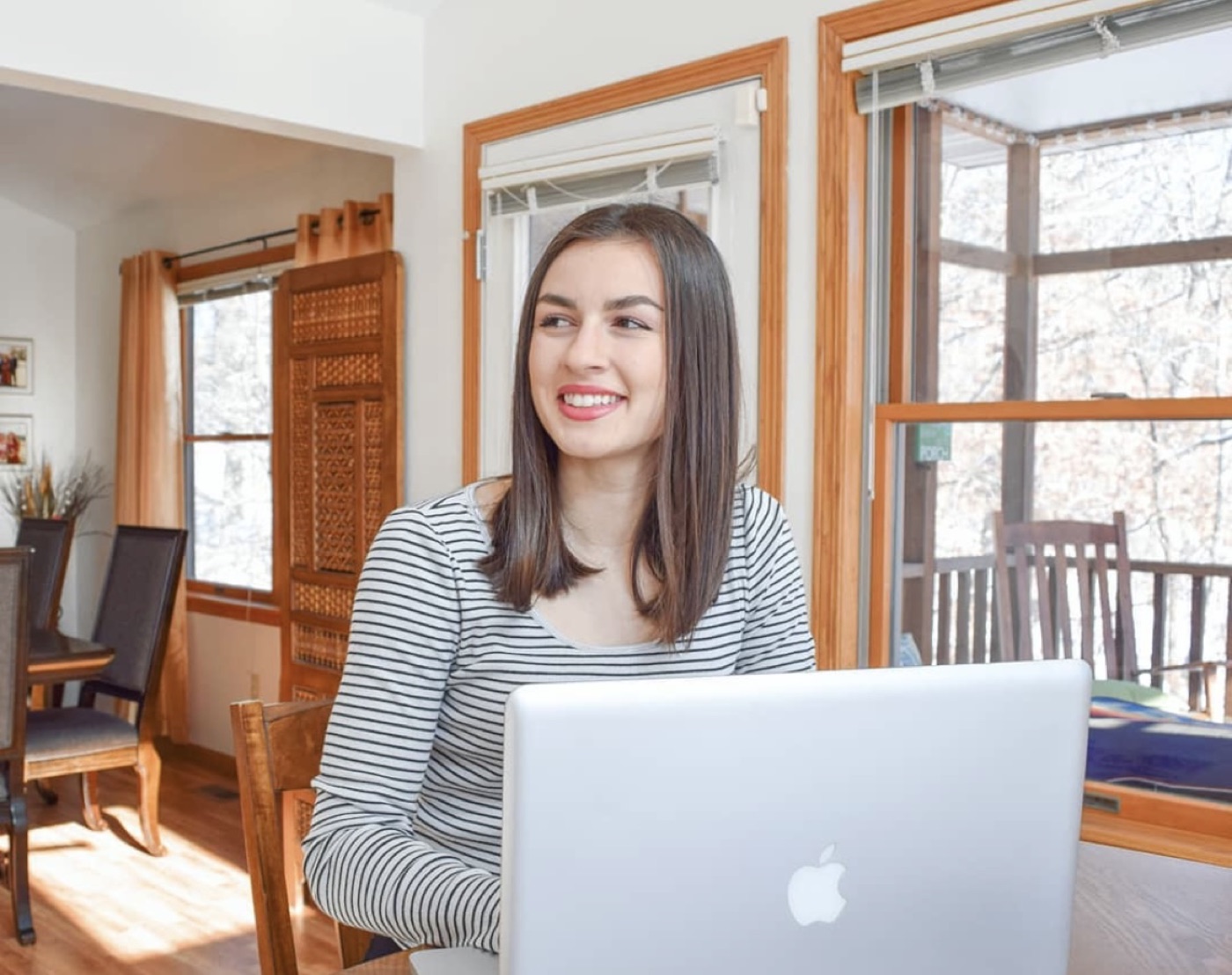
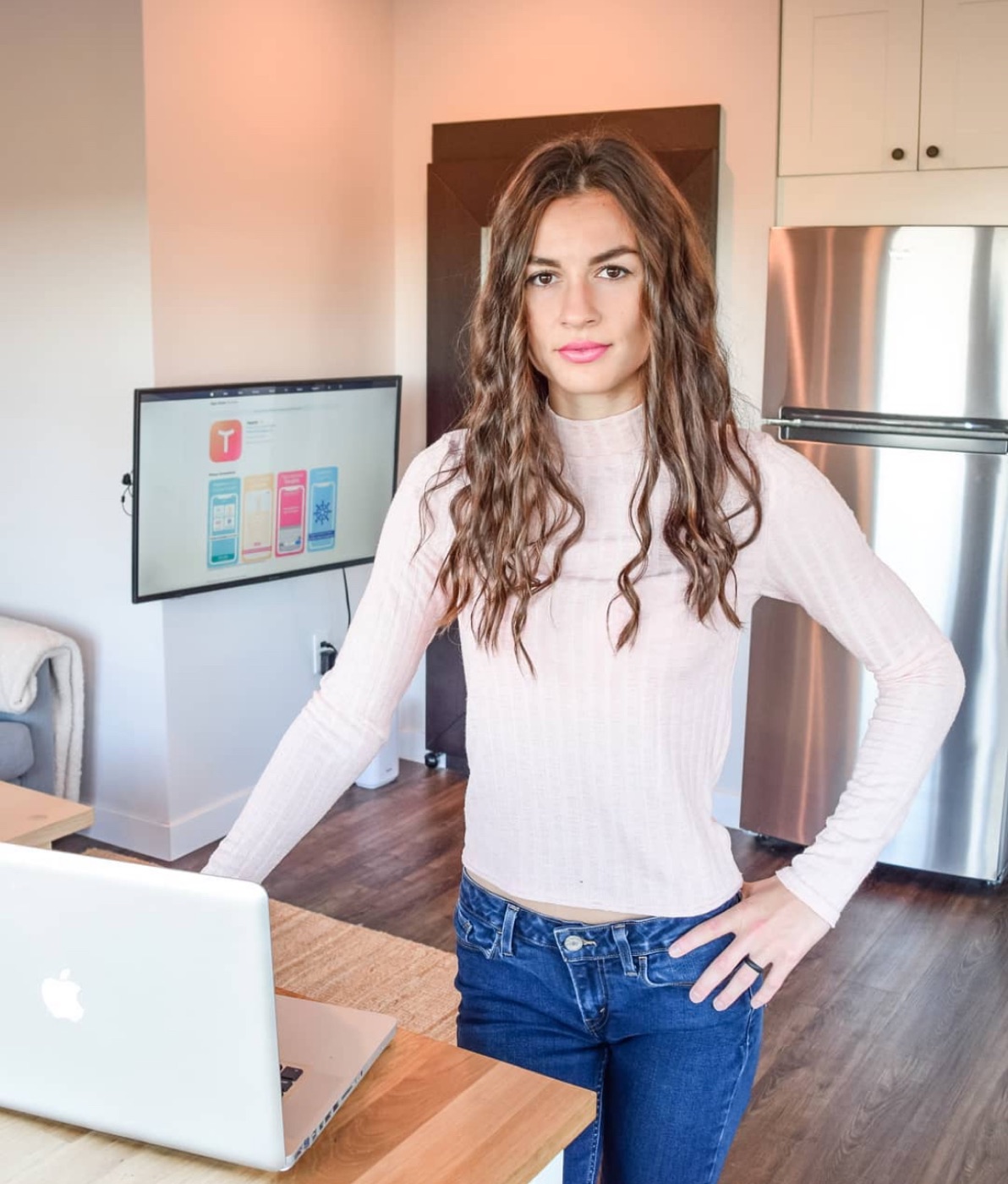
As a contracted app developer, I got to work inside many startups, learning from their cultures, processes, teams, technical decisions, and mistakes. I learned millions of dollars worth of technical mistakes, without paying the price myself.
It's common for startups with non-technical founders to hire the wrong developer, especially in the beginning. I've had the opportunity to help founders in this position navigate challenges to get on track. Despite my best efforts, these startups still incur losses.
I’ve seen startups lose 50k-100k on the initial development of their MVP and some startups paying 10k-20k a month in maintenance costs.
Technical founders have a more focused hiring gauge and tend to avoid these costs, greatly. We know how to hire an engineer and guide them with best practices.
These experiences really showed how much I saved my company in development costs and technical debt. My best advice is to become an expert in your domain so you can hire better, which is something is built into the process of being a great technical founder.
I decided to estimate how much money I’d saved my company by creating Tappily myself. I estimated that the founding team put around 350k worth of work into the MVP.
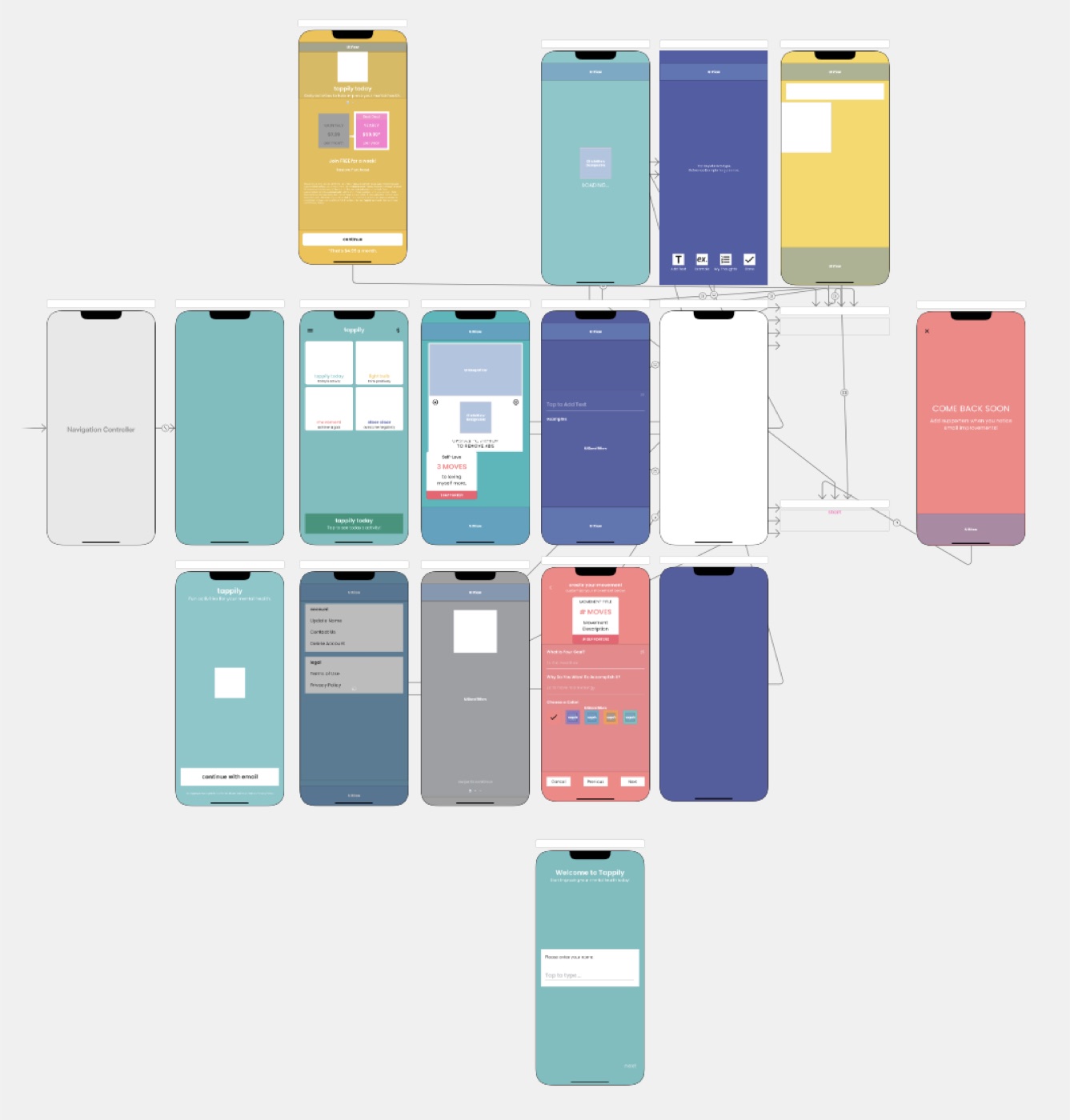
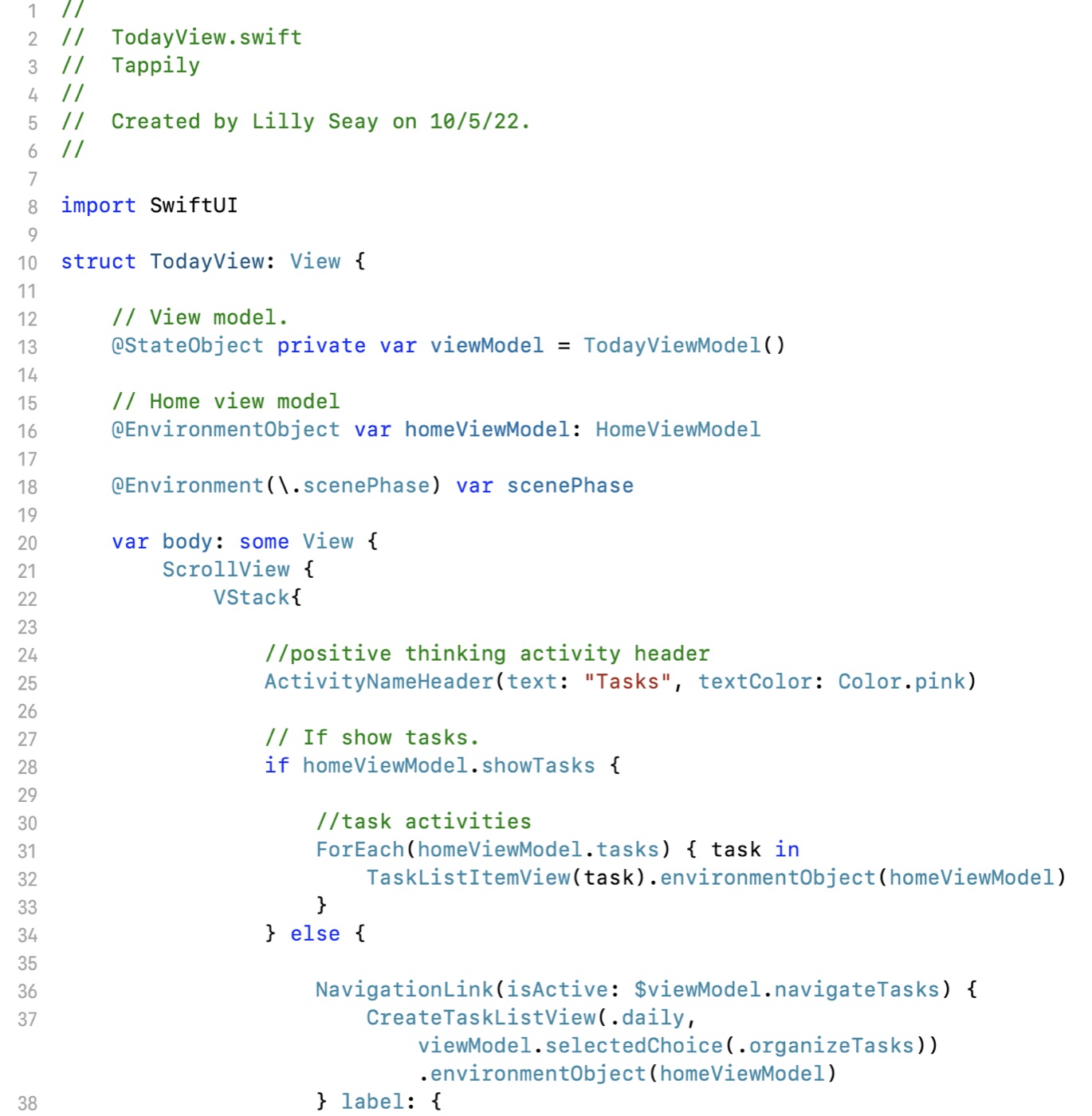
And when I migrated Tappily from Storyboard to SwiftUI, I saved the company about 75k on the re-design and development. This was the cost savings for just one of my apps!
More work. Less time.
But as technical founder of a startup with no funding, you have to be creative enough to bootstrap your app. With limited resources, my creativity is put to the test to get more work done in less time. Over the years, I've successfully implemented many technical business strategies.
Process automation
The first process I automated was getting users for Tappily. I decided to build a bot that would recommend people in my target audience and create a custom DM.
This bot took an 8 hour per day marketing process and cut it down to 1.5 hours, a 533% improvement in time efficiency, and we were also able to increase the downloads by fine tuning the bot.
Technical founders have at least one thing on their side: control. Through the chaos of wearing many hats, you have control of the timeline, budget, and quality of your app products.
To sum it up, the founding team saved our company money in many categories: design, development, automation, and marketing.
Between all of this, we saved around 2 million dollars over 7 years,
Through my experience creating many apps, I feel grateful to have unleashed my super power of being a technical founder and want to support other founders unleashing theirs. Being both technical as well as entrepreneurial has truly made me the force I am today.
About this talk
I gave this talk at "A Force Together: Women in App Development," Apple's International Women's Day event at the Apple Developer Center in Cupertino, alongside founders Aurelia Edwards and Bria Sullivan. If you're a founder deciding whether to build it yourself, send me a note.