Introduction
Hello. My name is Lilly Seay, and today I’ll be sharing why Swift is the next big thing for IoT.
In 2016, I graduated with a degree in electrical engineering and started working full-time in hardware design and embedded systems. At that time, I started working on projects involving IoT, or Internet of Things, which connects everyday objects to the internet to make them smarter and more interactive. Take a simple example: a smart light that turns on when it detects motion and integrates seamlessly with the Home app.
While this type of engineering was rewarding, I was eager to expand my skills into modern software development, specifically iOS. My days were spent writing low-level code in C for embedded systems. At night, I was coding in Swift, building my first iOS app.
At the time, these two worlds—embedded systems and app development—felt miles apart. I remember coding in C and worrying that a single typo could crash my program or even damage my hardware. That constant caution made Swift’s modern features—like type safety, automatic memory management, and interoperability with C—even more exciting, hinting at its potential to bring these two worlds together.

Now if we fast forward to 2024, Embedded Swift was announced, and suddenly, my two worlds in engineering didn’t just overlap—they intersected.

Traditionally, developers relied on C/C++ — precise, powerful languages that offers full control over hardware. However, that precision comes with challenges, like manual memory management, complex error handling, and a steep learning curve.
Embedded Swift, on the other hand, excels at bringing modern, safe, and scalable code to hardware development, and today, I’m going to show you how I used it to create a smart light with motion detection.
The build
I have a motion sensor that detects motion and sends a high signal to the ESP32C6. This signal updates the LED state to either ON or OFF, and the change reflects in the Home app.
We’re starting with the Matter example in Swift. This project was featured in the video Go Small with Embedded Swift. Today, I’m only going over the additions I made for my motion sensor, but if you’re interested in the rest of the Matter & LED implementation, go checkout the repo.
I’m using Embedded Swift, an ESP32C6 board, a motion sensor, and the Matter protocol.
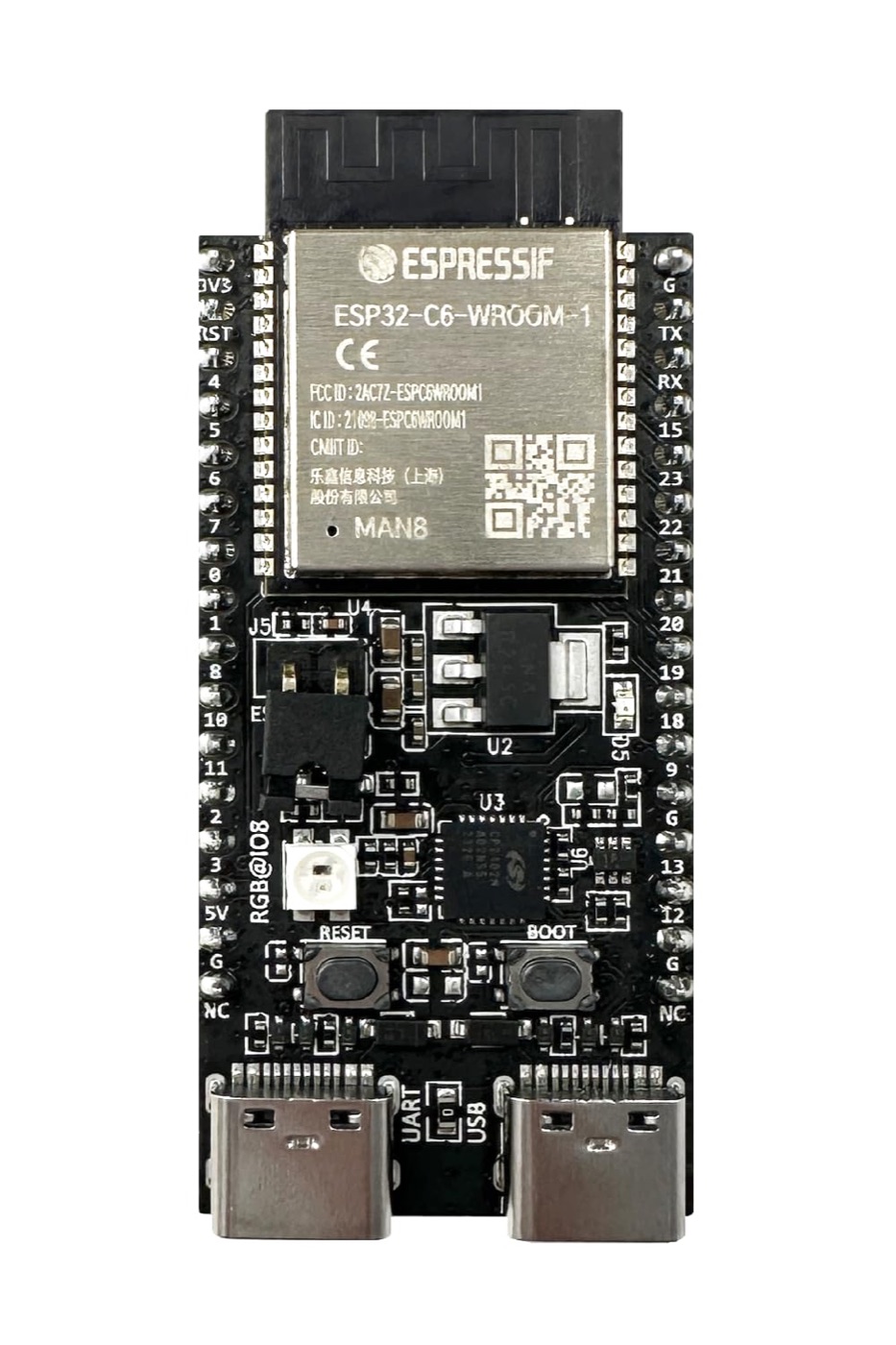
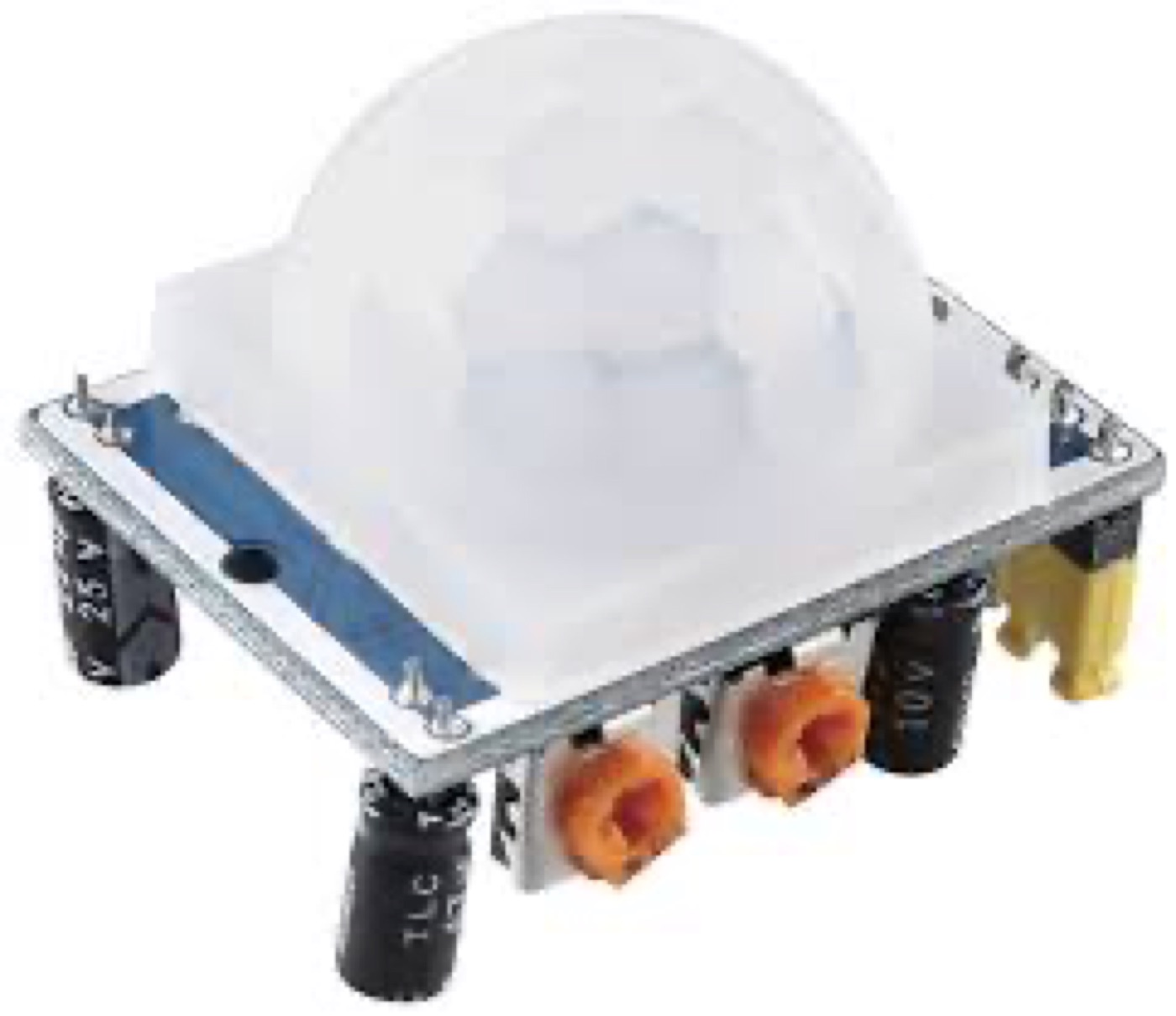
Here's a quick close up of what my circuit is looking like for the motion sensor.
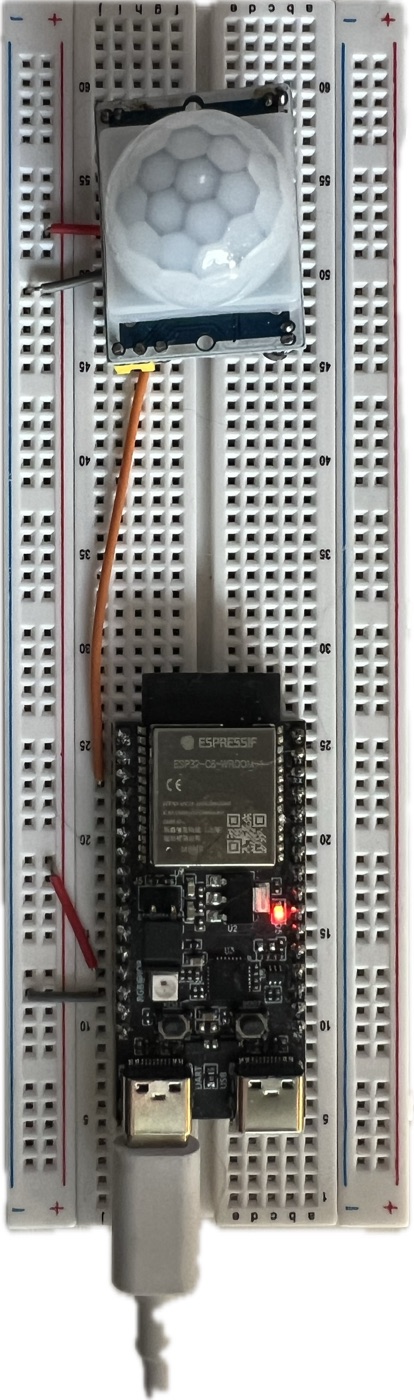
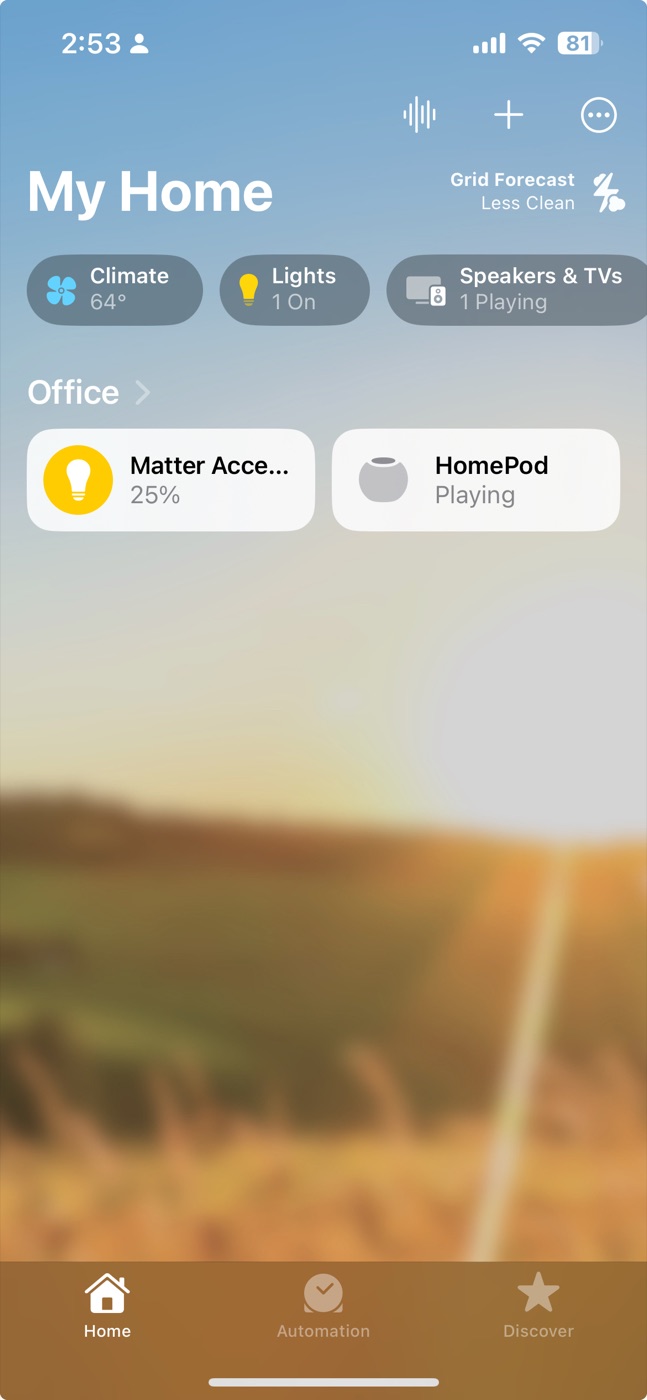
The result is a fully functional smart light that responds to motion and stays synced with Home app.
Conclusion
Embedded Swift has changed the way I do IoT Development. It prevents memory leaks with automatic memory management, avoids error-prone code with built-in safety features, and is easier for me to read. Its small memory footprint makes it ideal for IoT devices.
But Swift’s potential doesn’t stop there. It connects every part of IoT—embedded systems, back-end infrastructure, and applications. This unified approach simplifies development, removes barriers for startups and indie developers, and enables the creation of efficient, scalable, and user-friendly products.
And That is why Swift is the next big thing for IoT. Thank you.
Watch the talk
The full recording, including the code walkthrough, is on the FOSDEM archive: talk page and video. The project starts from Apple's swift-matter-examples repo. Building something that needs an app and a device to talk to each other? Send me a note.